
Hunter's Moon Historical Accuracy: Fact vs. Folklore
Explore Hunter's Moon historical accuracy, from its Yorkshire witch hunt and village life to lunar folklore, with practical tips for a more thoughtful run.
Jump to
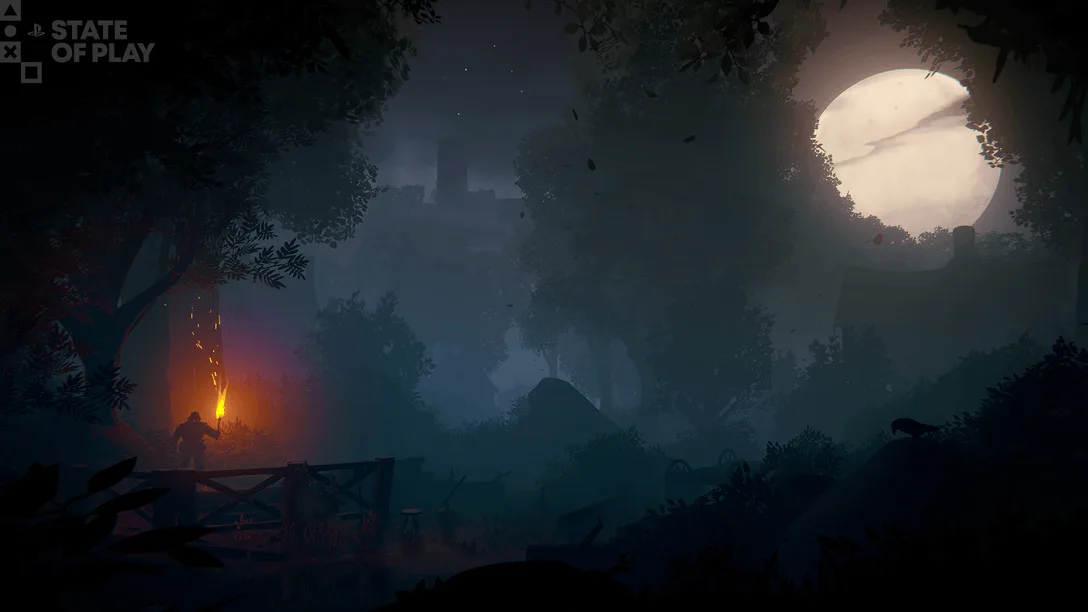
How Historically Accurate Is Hunter's Moon?
A locked door can feel more threatening than a monster when the people behind it believe you deserve to die. Hunter's Moon historical accuracy matters because its horror centers on human persecution in a 17th-century Yorkshire village. The strongest way to understand Hunter's Moon historical accuracy is through that social setting: a community turns against an accused woman, while theatrical visuals and an escape story shape how you experience her ordeal.
You play as Lilith Thorne, whose attempt to survive a witch hunt takes her through woods, hamlets, and village households. Twin Swans grounds that journey in research into early modern witch persecution, including the East Anglian witch trials associated with Matthew Hopkins.
The result is historical folk horror with a clear dramatic focus. Its strongest historical connection lies in people believing accusations strongly enough to endanger another person's life.
| Element | How the game presents it | How to read it |
|---|---|---|
| Setting | A 17th-century Yorkshire village and surrounding countryside | The historical framework for the story |
| Witch persecution | Villagers and hunters turn against Lilith | The central human threat |
| Village society | Conversations reveal different households and attitudes | A way to experience the community beyond the chase |
| Presentation | Masks, silhouettes, and stop-motion-style animation | Deliberate theatrical storytelling |
| Escape | Lilith seeks help while avoiding her pursuers | The player's route through the narrative |
Keep those layers separate as you play. A convincing atmosphere, a historically informed theme, and a literal reconstruction of an event are different standards.
Official page: Hunter's Moon (twinswans.com)
The Witch Hunt: Belief, Accusation, and Power
The game’s most important historical idea is that its persecutors are ordinary people. They believe witchcraft is real, and that belief gives their actions a frightening sense of purpose.
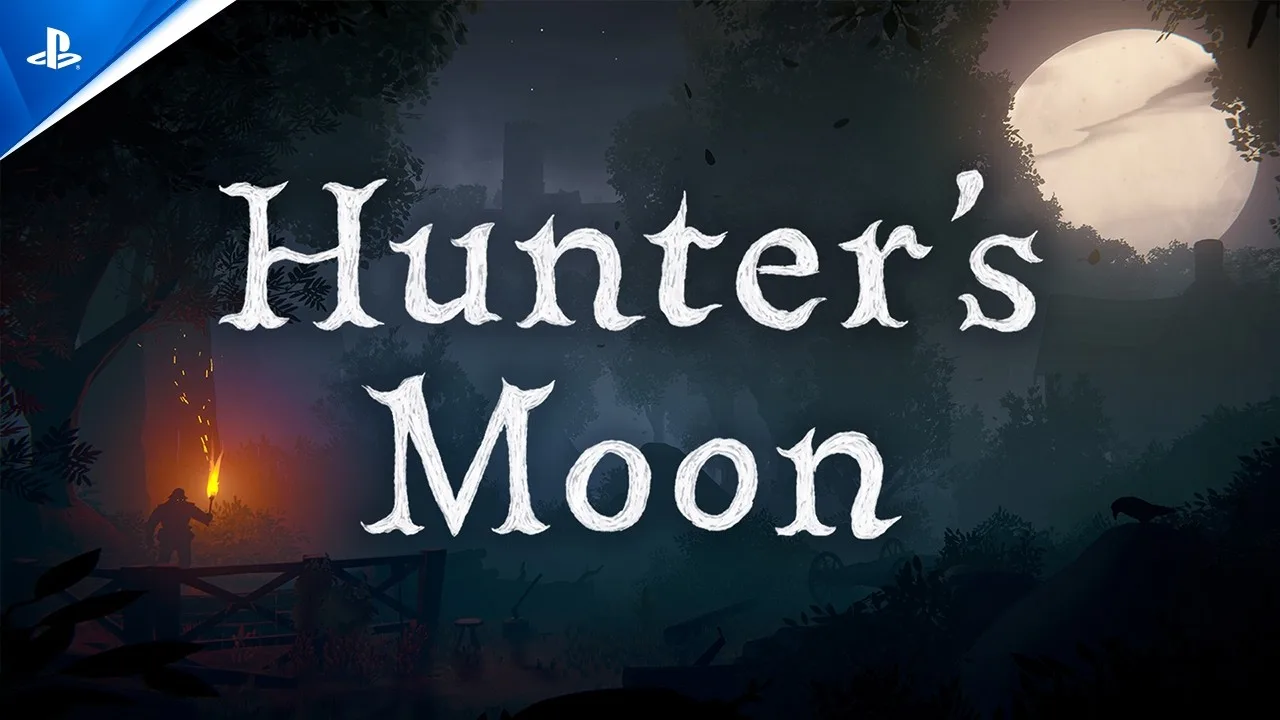
That changes the meaning of the pursuit. You are escaping people who see their violence as justified. Their certainty makes familiar places—paths, houses, and village gathering spaces—feel hostile.
Why Lilith Becomes a Target
Lilith is the daughter of midwife Agnes Thorne. After a childbirth ends with the deaths of Lady Black and her child, blame falls on the surviving women of the Thorne family. Lilith’s role as an herbal helper becomes entangled with accusations of witchcraft.
This gives the story a personal trigger. A terrible outcome becomes an accusation, and that accusation changes how the village treats someone it already knows.
Read this sequence as Lilith’s particular story. Her connection to healing and childbirth explains the game’s conflict; it should not become a blanket explanation for every historical witch accusation.
For Hunter's Moon historical accuracy, that distinction matters. A specific character’s ordeal can communicate the cruelty of persecution without representing every victim or every trial.
What the Witchfinder Represents
The development research included Matthew Hopkins and the East Anglian witch trials. The game places its own hunt in Yorkshire and includes a Witchfinder General, a magistrate, and a local hunter among the forces threatening Lilith.
Keep the geography straight: Yorkshire is the setting, while East Anglian persecution forms part of the historical inspiration.
Watch how authority and local hostility work together. An accusation becomes harder to escape when people with influence reinforce it. Lilith must navigate both the immediate danger of pursuit and a community increasingly willing to accept the case against her.
Listen to the hunters’ conversations when you can do so safely. Their words help explain the beliefs driving the chase.
Village Life: Listen Before You Knock
Much of the game’s historical atmosphere lives behind closed doors. Residents have been told to remain indoors during the hunt, leaving Lilith outside while domestic conversations continue around her.
That arrangement makes you experience the village from an uncomfortable position. You can hear people living their lives, but getting them to acknowledge your need for help is another matter.
Some households refuse to answer. Others offer items. Travelers also cross Lilith’s path, giving the countryside a social life beyond the hunting party.
The voice cast includes 48 actors performing around 100 roles. That scale supports a village filled with distinct conversations rather than a handful of interchangeable reactions.
| Encounter | What happens | What to pay attention to |
|---|---|---|
| Conversations inside houses | Lilith can eavesdrop on residents | Differences in fear, humor, and attitudes |
| Knocking at doors | Residents respond to her presence | Whether a household offers help or hostility |
| Travelers | Lilith meets people along her route | Requests and interactions connected to her escape |
| Hunters nearby | Pursuers speak while searching | Their motives and immediate presence |
Hunter's Moon historical accuracy feels most tangible when these encounters make the village seem socially complicated. Fear exists alongside ordinary concerns, humor, and people's willingness—or refusal—to help.
The lighter conversations serve a purpose, too. A community becomes more unsettling when its residents sound like people with everyday lives. Their ordinary behavior sits beside the extraordinary cruelty directed at Lilith.
Practical Tips for a More Attentive Run
The PS5 release ties its escape story to finding four important items. Capture can cost Lilith a key item, making interactions and pursuit more consequential than the walking-simulator presentation initially suggests.
Use those mechanics to guide your attention:
- Listen through relevant conversations. Important hints and requests arrive through dialogue.
- Consider requests from people you meet. Helping others connects to obtaining items needed for the escape.
- Approach doors carefully. Knocking at the wrong house can expose Lilith to capture.
- Keep track of the four required items. Missing an essential interaction can affect the ending.
- Notice household differences. The village’s varied responses are part of the story’s portrayal of persecution.
Avoid treating every illuminated window as a safe checkpoint. The same interaction that reveals village life can also place Lilith in danger.
Masks and Puppets: Where Artistic License Shapes History
Hunter's Moon uses stop-motion-style movement, obscured faces, and puppet-like figures to give its world the feel of a dark performance.
Its witch hunt also has a festival atmosphere. Villagers wear masks and costumes resembling mummers, while torchlight and shadow make the pursuers difficult to read.
Those choices influence how you interpret Hunter's Moon historical accuracy. They create a heightened experience of the setting, with the village presented through theatrical staging.
| Artistic choice | How it appears | What it contributes |
|---|---|---|
| Stop-motion-style animation | Figures move with a deliberately handmade quality | A storybook sense of unease |
| Masks and mummer-like costumes | Faces disappear behind festive disguises | A disturbing overlap between celebration and pursuit |
| Window silhouettes | Households appear through partially concealed figures | Distance between Lilith and indoor safety |
| Torchlight | Warm light cuts through the nighttime countryside | A visible presence for the hunters |
| Folk music | Songs accompany the rural setting | Texture and atmosphere during the escape |
A memorable scene can be emotionally convincing while using stylized movement and lighting. Here, the visual design keeps attention on voices, gestures, and the threatening space between Lilith and everyone else.
Do not read the masked hunt as a template for how historical witch persecution always looked. The festival atmosphere belongs to the game’s staging.
The same care applies to the music. Enjoy how the folk songs shape the countryside’s mood without turning every atmospheric detail into a claim about a precise historical performance.
When judging the setting, focus on how its parts work together: domestic interiors, wooded routes, isolated figures, and the difficulty of finding shelter. Those relationships carry much of the game’s tension.
The Hunter's Moon: Astronomy, Folklore, and the Title
The title draws on a real seasonal moon name. The Hunter’s Moon is the full moon following the Harvest Moon, which is the full moon closest to the Northern Hemisphere’s autumnal equinox.
That usually puts the Hunter’s Moon in October. When the Harvest Moon falls in October, the Hunter’s Moon follows in November.
Its traditional association with hunting fits a story about pursuit after dark. Harvested fields and autumn moonlight form part of the familiar explanation for hunters spotting animals and gathering food before winter.
For Hunter's Moon historical accuracy, however, the title’s seasonal meaning and the history of its English name deserve separate attention.
| Moon detail | What it means | How it relates to the game |
|---|---|---|
| Harvest Moon | Full moon closest to the autumnal equinox | Determines which full moon follows as the Hunter’s Moon |
| Hunter’s Moon | Full moon after the Harvest Moon | Supplies the title and nighttime setting |
| Autumn moonrise | Successive moonrises can be closer together than usual | Helps explain the association with useful evening light |
| Brightness | The Hunter’s Moon is not inherently brighter than other full moons | The game’s striking moonlight is also an artistic choice |
| English name | A recorded use of “Hunter’s Moon” dates to 1710 | Separates documented wording from the game’s 17th-century setting |
Why the Name’s Date Matters
A recorded English use of “Hunter’s Moon” appears in 1710, after the century in which the game takes place.
That date concerns surviving written usage. It does not establish the moment people began associating autumn moonlight with hunting. Still, avoid treating the game’s title as proof that its exact English wording belonged to everyday speech in 17th-century Yorkshire.
The title works immediately as an image: a pursued woman, hunters moving through the countryside, and moonlight that makes the night feel exposed.
What the Moon Does—and Does Not—Explain
The seasonal astronomy explains why autumn full moons became associated with evening work and hunting. Moonrise timing varies with location, so a single interval between moonrises is not a universal rule.
It also helps separate the game’s real-world backdrop from its horror imagery. A Hunter’s Moon is not automatically a lunar eclipse, and the name alone does not make the Moon red.
Look at the moonlit paths as part of the visual storytelling. Their beauty creates an uneasy contrast with Lilith’s situation: the countryside can be inviting to look at while offering little comfort to someone being hunted.
The most useful reading of Hunter's Moon historical accuracy brings these elements together. The persecution supplies the human stakes, the village gives those stakes a social setting, and lunar folklore lends the escape its defining image.
FAQ
Is Hunter's Moon based on a true story?
Hunter’s Moon follows Lilith Thorne through a witch hunt in 17th-century Yorkshire. Its historical inspiration includes early modern witch persecution and the East Anglian witch trials associated with Matthew Hopkins. Read Lilith’s escape as the game’s narrative, while recognizing the real persecution behind its themes.
What is the strongest part of Hunter's Moon historical accuracy?
Its focus on human belief and community persecution is the strongest historical connection. The hunters regard witchcraft as real, and Lilith encounters a village where accusations affect whether people will help her. Household dialogue gives that conflict a personal, everyday dimension.
Does the game take place in medieval England?
No. Hunter’s Moon takes place in 17th-century Yorkshire, placing it in the early modern period. Its rural setting, folk-horror imagery, and witch accusations belong to that framework rather than a medieval setting.
Is the Hunter's Moon always in October?
No. It follows the Harvest Moon, the full moon nearest the Northern Hemisphere’s autumnal equinox. The Hunter’s Moon usually occurs in October, but it falls in November when October contains the Harvest Moon. It is not inherently larger or brighter than other full moons.
Continue with
Hunter's Moon How Long to Beat: Playtime and EndingsHunter's Moon how long to beat: expect about two hours for a playthrough. Learn how exploration, missed items, and replaying for a good ending affect time.More in Guides
Hunter's Moon Beginner Guide: Survive the Witch Hunt
Use this Hunter's Moon beginner guide to prepare for the hunt, follow conversations, seek help, and explore Lilith's dangerous journey through Yorkshire.
Hunter's Moon Story Guide: Lilith's Night of Survival
Explore the Hunter's Moon story, follow Lilith Thorne's flight from a witch hunt, and learn how eavesdropping and helping villagers shape her survival.
Hunter's Moon Worth It? Price, Length, and Tradeoffs
Is Hunter's Moon worth it at $19.99? Explore its two-hour story, folk-horror atmosphere, stealth, and ending frustrations before buying the PS5 adventure.
Continue exploring
Hunter's Moon First Person Perspective: How It Plays
Hunter's Moon first person perspective puts you in Lilith's escape. Explore eavesdropping, stealth, and the folk-horror details shaping a night of fear.
Hunter's Moon PS5: Release, Gameplay, and Buyer Guide
Hunter's Moon PS5 brings a historical witch hunt to life. Explore release dates, stealth, village encounters, and what to expect before you start playing.
Join the community
Official channels for news, updates and player help: