
Hunter's Moon Witchfinder General: Character Guide
Hunter's Moon Witchfinder General guide: learn who hunts Lilith Thorne, how capture threatens key items, and how to approach doors during your escape.
Jump to
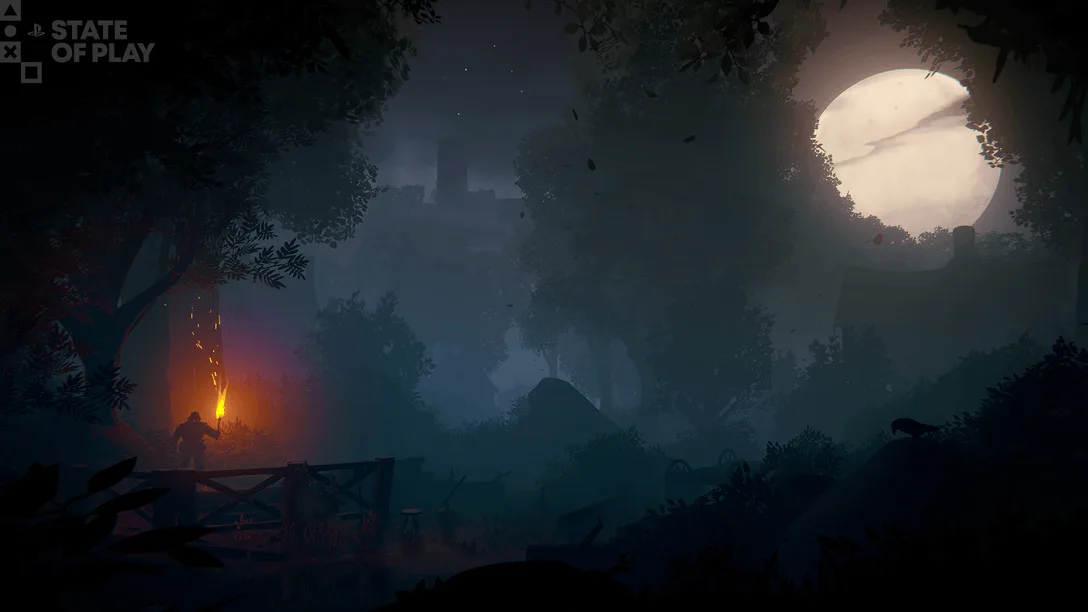
Who Is the Witchfinder General in Hunter’s Moon?
The Hunter's Moon Witchfinder General is one of the pursuers hunting Lilith Thorne through a 17th-century English village. His pursuit makes every search for shelter dangerous, especially when capture threatens the items Lilith needs to survive. Understanding the Hunter's Moon Witchfinder General means understanding both the man chasing you and the frightened community helping turn an accusation into a death sentence.
You play as Lilith, an accused woman fleeing through settlements, forests, and moors over a single night. The Witchfinder General hunts her alongside the village magistrate and a local huntsman. Your objective is to escape their attention while finding people willing to help.
That combination gives the pursuit its tension: you need to approach the village to make progress, even though its inhabitants can put you in danger.
| Character | Role in the hunt | What that means for Lilith |
|---|---|---|
| Witchfinder General | One of Lilith’s principal pursuers | Evade capture while seeking help |
| Village magistrate | Local authority participating in the pursuit | The threat includes the village’s own leadership |
| Local huntsman | Another member of the hunting party | Watch for the hunting group as you travel |
The Witchfinder General’s menace comes from human conviction and persecution. He belongs to a world where an accusation of witchcraft can make neighbors accept terrible cruelty as justice.
For you, that means survival depends on more than moving away from a torch. You also need to understand the people behind the windows.
Why Lilith Thorne Becomes His Target
Lilith’s connection to healing sits at the center of the accusation against her family. She is the daughter of midwife Agnes Thorne and helps others through her knowledge of herbs.
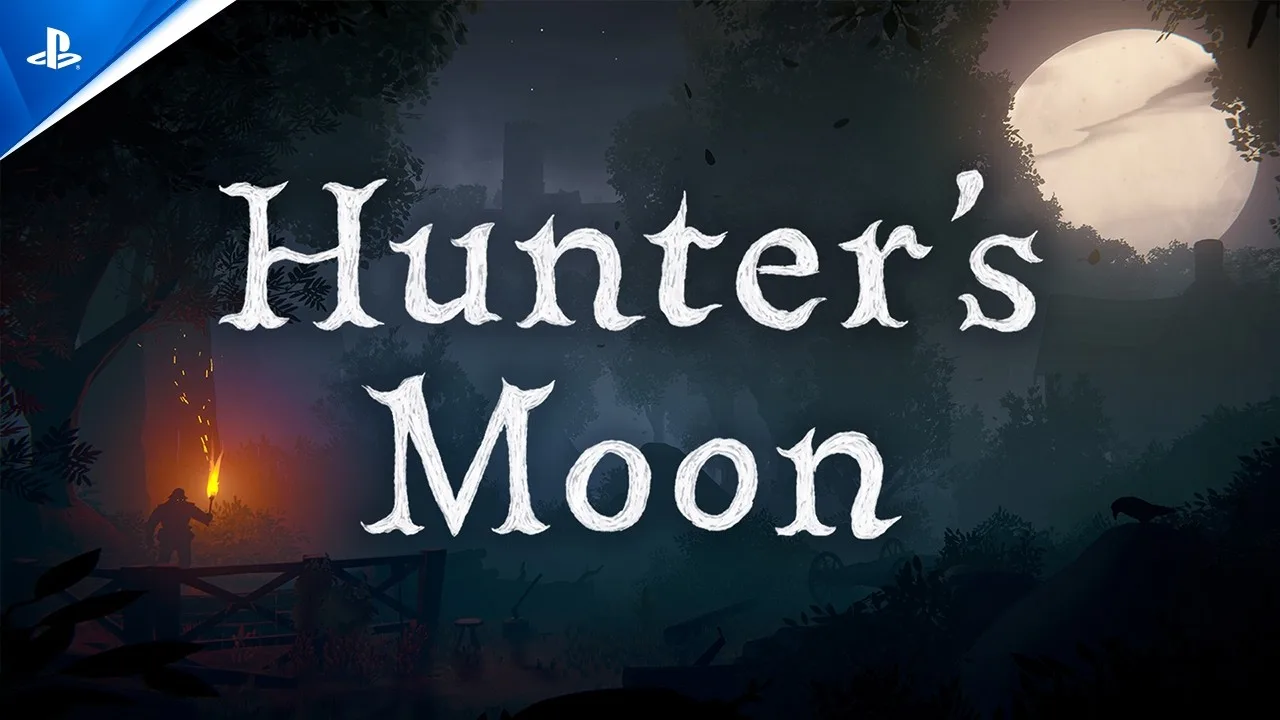
After Lady Black and her baby die during childbirth, blame falls on the surviving women of the Thorne family. The bereaved father’s drunken testimony helps turn that blame into a hunt. Lilith goes from someone associated with care to someone her community treats as a threat.
This makes the Hunter's Moon Witchfinder General especially disturbing: the danger grows from a recognizable social collapse. A tragedy creates fear, fear demands an explanation, and an accusation gives the village someone to pursue.
The wider setting reinforces that pressure. War and hardship have worn down the community, while suspicion seeps into ordinary household conversations. Listen at windows and you encounter domestic worries, disagreements, humor, and hostility within the same village.
Those details matter because the inhabitants have different responses to Lilith. Many refuse to open their doors, while some offer assistance or items. Travelers also provide opportunities for interaction beyond the households.
Read the village through those encounters. Pay attention to what people say about their circumstances, whom they fear, and what they need. Lilith’s escape depends partly on continuing to help others while she urgently needs help herself.
The game places that vulnerability directly in your path: approaching someone creates an opportunity for aid, but choosing the wrong door can bring the hunt down on you.
The Historical Inspiration Behind the Witchfinder General
The title has a real historical connection. Matthew Hopkins began his witch-hunting campaign in England in 1644 and styled himself the “Witchfinder General.”
In 1647, he published The Discovery of Witches, using a question-and-answer format to defend his methods of identifying supposed witches. Hopkins and his colleague John Stearne were responsible for sending accused people to the gallows during England’s witch hunts.
Hunter’s Moon draws on this history while placing its story in a 17th-century Yorkshire village. The historical background helps explain the authority carried by the title and the fear surrounding an accusation.
| Historical detail | Connection to the game’s premise |
|---|---|
| Hopkins adopted the title “Witchfinder General” | The title evokes the historical persecution of accused witches |
| His campaign began in 1644 | The game draws on the witch-hunting climate of 17th-century England |
| The Discovery of Witches appeared in 1647 | Witch hunters presented explanations intended to justify their methods |
| Accused people faced execution | Lilith’s flight carries the threat of lethal persecution |
The Hunter's Moon Witchfinder General fits the game’s central horror: people can become terrifying when they believe their actions are righteous.
That theme changes how the village feels. A closed door can represent fear, obedience, or outright rejection. A conversation inside a warm house can expose the beliefs making the countryside unsafe for Lilith.
Even the visual presentation supports this unease. Masked mummers, shadowed hunters, and figures glimpsed through windows give the night a theatrical quality. The stylized, stop-motion-inspired animation creates a storybook appearance around a situation rooted in historical violence.
Keep that context in mind while exploring. The households and folk traditions help you understand the world sustaining the hunt, alongside the practical information you need to escape it.
How to Navigate the Hunt and Seek Help
Dealing with the Hunter's Moon Witchfinder General requires balancing evasion with investigation. Staying away from everyone would also mean passing up conversations and assistance that matter to Lilith’s escape.
The game’s eavesdropping mechanic lets you listen to people inside their homes. Knocking creates another way to interact, although many residents refuse to admit Lilith because the hunt has driven people indoors.
Approach these encounters deliberately. Listen to the conversations you find, follow the needs they reveal, and remain attentive to the hunting party moving through the surrounding area.
| Encounter | What it offers or threatens | Practical tip |
|---|---|---|
| Conversations inside houses | Village stories, warnings, and useful knowledge | Listen before moving on |
| Residents willing to assist | Items or other help for Lilith | Follow through on helpful encounters |
| The wrong doorstep | An encounter that can lead to capture | Use what you hear to inform your decision to knock |
| Travelers along the route | Additional interactions outside homes | Speak with travelers you encounter |
| The hunting party | Pursuit and possible capture | Keep your distance while searching for assistance |
Listen for needs as well as warnings
Some conversations explain the village’s mood; others connect you with people who need assistance. Pay attention to both.
Lilith’s helpfulness remains relevant even while she is being hunted. Treat an encounter involving someone else’s problem as something to investigate, particularly when you are still searching for the items needed to survive.
The village contains roughly 100 voiced roles, giving its households a substantial range of personalities. That variety makes listening worthwhile, but it also means useful exchanges sit among plenty of everyday conversation.
Keep exploration tied to your escape
Search the settlements for help while remembering why you are there. The forest paths and hamlets connect your flight with the people who can affect its outcome.
Avoid rushing past every lit house. Equally, pause before knocking simply because a door is available. The danger attached to certain doorsteps gives listening a practical purpose beyond learning the story.
Watch and listen for the hunters
The pursuers carry torches and talk as they search. Pay attention to those visible and audible signs while moving between encounters.
Use that information to guide your movement away from the group. Keep your focus on evasion, finding aid, and continuing Lilith’s escape.
Capture, Key Items, and Ending Consequences
The Hunter's Moon Witchfinder General matters beyond the immediate chase because capture can damage your progress toward a favorable ending.
Lilith needs four key items to survive the night successfully, a requirement introduced early through a fortune teller. Acquiring them involves finding the right people and helping with their problems.
Capture can cost Lilith a key item. Escaping imprisonment afterward therefore does not necessarily restore the position you were in before the arrest. You can be moving through the village again while still having lost something essential.
Ending-related spoilers follow.
| Situation | Consequence for the escape |
|---|---|
| Collecting the four required items | Fulfills an essential requirement for the favorable outcome |
| Missing required items | Can lead to an unfavorable ending |
| Being captured | Can remove a key item from Lilith |
| Continuing after an arrest | Allows the journey to proceed despite the item loss |
| Discovering a mistake later | Limited backtracking and save access can make recovery difficult |
The PS5 launch experience makes these consequences particularly important. Autosaving can occur after a damaging mistake, and there is no manual option to load an earlier autosave. Returning to a previous location to recover a missed item is also often unavailable.
Take the fortune teller’s instructions seriously when they appear. Keep track of how many required items you have acquired, and give helpful encounters your attention before advancing.
If you escape captivity, check what Lilith still carries before continuing with your ending goal. Freedom from the immediate threat and completion of the item requirements are separate concerns.
The Hunter's Moon Witchfinder General can therefore shape a run even after a chase ends. The lasting consequence of an arrest may be more important than the brief relief of getting away.
Give the conversations enough attention to understand their practical stakes. A complete playthrough can take around two hours, but pursuing a favorable outcome can involve replaying after missed items or capture.
Hunter’s Moon is available on PS5. Visit the Hunter’s Moon PlayStation Store page if you want to begin Lilith’s escape yourself.
FAQ
Who is the Hunter's Moon Witchfinder General?
He is one of the principal hunters pursuing Lilith Thorne after she is accused of witchcraft. He searches for her alongside the village magistrate and a local huntsman during the game’s single-night story.
Is the Witchfinder General connected to Matthew Hopkins?
Matthew Hopkins is part of the game’s historical inspiration. He adopted the title “Witchfinder General” during his English witch-hunting campaign, which began in 1644. Hunter’s Moon draws on that period of persecution.
What happens if the Witchfinder General captures Lilith?
Capture can cost Lilith a key item. Although she can escape imprisonment in an encounter, losing an essential item can derail the favorable ending. The PS5 launch version’s save restrictions make that consequence difficult to reverse.
How do you prepare for a favorable ending?
Collect the four required items, listen carefully to household conversations, and help the people connected to those items. Evade the hunters and use what you learn before knocking, since certain doorstep encounters can lead to capture.
Continue with
Hunter's Moon Agnes Thorne: Lilith's Family ExplainedExplore Hunter's Moon Agnes Thorne, her connection to Lilith, and how a tragic delivery fuels the witch hunt. Understand the Thorne family's story on PS5.More in Characters
Hunter's Moon Lady Black: Her Role in the Witch Hunt
Explore Hunter's Moon Lady Black, the childbirth tragedy behind Lilith Thorne's witch hunt, and quick tips for following the story and surviving the night.
Hunter's Moon Lilith Thorne: Story and Survival Guide
Explore Hunter's Moon Lilith Thorne, her backstory, voice actor, and witch-hunt survival tips. Learn how listening and smart exploration shape her escape.
Hunter's Moon Village Magistrate: Role and Keys Guide
Meet the Hunter's Moon village magistrate, understand his role in Lilith's pursuit, and follow the stable-key request while avoiding the hunting party.
Continue exploring
Join the community
Official channels for news, updates and player help: