
Hunter's Moon Lilith Thorne: Story and Survival Guide
Explore Hunter's Moon Lilith Thorne, her backstory, voice actor, and witch-hunt survival tips. Learn how listening and smart exploration shape her escape.
Jump to
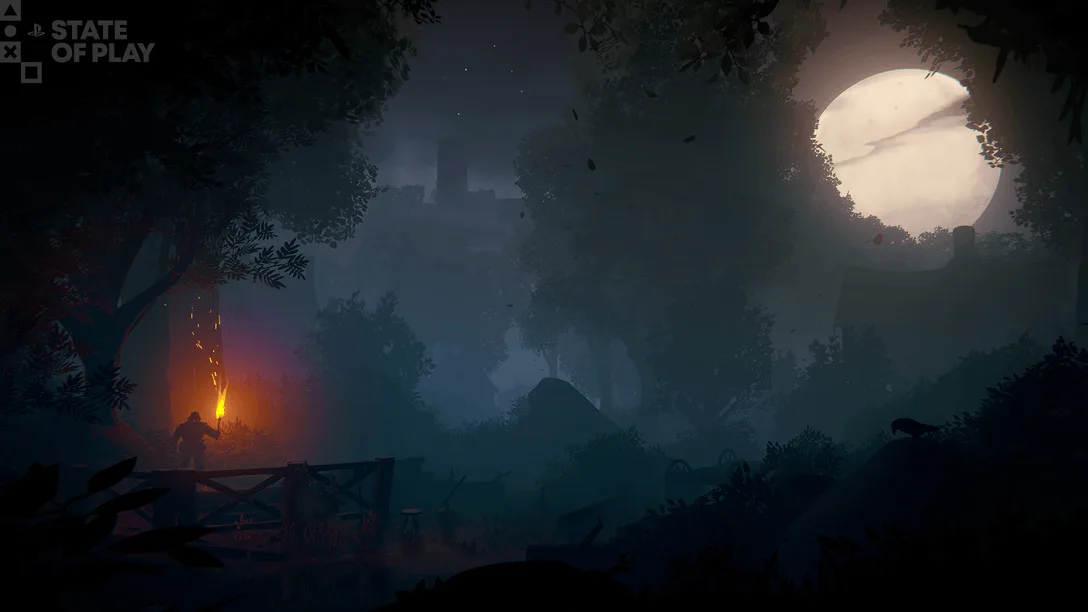
Who Is Lilith Thorne in Hunter's Moon?
A village has decided you're a witch, and surviving until morning means asking that same village for help. This Hunter's Moon Lilith Thorne guide explains who you're playing, why she's being hunted, and which habits matter during her escape. The heart of the Hunter's Moon Lilith Thorne story is a brutal reversal: a young woman associated with healing becomes the target of a community's fear.
Lilith Thorne is the playable protagonist of Hunter's Moon, Twin Swans' first-person historical folk-horror game. Accused of witchcraft, she must escape pursuers across a 17th-century Yorkshire village and its surrounding countryside. Everything unfolds over one night.
| Character Detail | What to Know |
|---|---|
| Full name | Lilith Thorne |
| Role | Playable protagonist accused of witchcraft |
| Background | Herbal helper and daughter of midwife Agnes Thorne |
| Voice actor | Hannah Morley |
| Setting | A 17th-century Yorkshire village, nearby hamlets, forests, and moors |
| Immediate objective | Escape the witch hunt and survive the night |
Lilith's situation shapes how you explore. Homes contain people who might offer something useful, refuse to engage, or put her in danger. Conversations matter because the community pursuing her is also the community she needs to understand.
The first-person perspective keeps that vulnerability close. You approach the windows, hear the accusations, and decide whether to knock. Getting to know Lilith therefore means paying attention to both her own story and the way other people respond to her.
Lilith's Backstory: How a Healer Becomes the Accused
Lilith is the daughter of Agnes Thorne, a midwife. Her family's connection to childbirth and healing becomes dangerous after a delivery ends with the deaths of a mother and child. The surviving women of the Thorne family are blamed, and an accusation escalates into a hunt.
That background gives the Hunter's Moon Lilith Thorne story its emotional weight. Someone whose work involves helping people suddenly has to seek assistance from households that might already consider her guilty.
The hunt involves the Witchfinder General, the village magistrate, and a local hunter. Their pursuit turns the countryside into hostile territory while the villagers remain behind their doors.
Why the Historical Setting Matters
The Hunter's Moon Lilith Thorne story takes place in Early Modern England, specifically a 17th-century Yorkshire setting. Its treatment of persecution draws on English witch-hunt history, including the fear and conviction that allowed ordinary people to accuse their neighbors.
For Lilith, that means an accusation carries consequences before she gets a fair opportunity to explain herself. The story centers on human cruelty, superstition, and the authority people grant to those who claim to recognize evil.
The village also has an unsettling festive atmosphere. Masked mummers and folk traditions share the night with a deadly pursuit. That mixture makes the setting feel socially alive: daily grievances, entertainment, household arguments, and collective panic all occupy the same space.
Listen for those differences between households. They give the village texture and help explain how Lilith's neighbors can participate in, tolerate, or resist what is happening to her.
Hunter's Moon Lilith Thorne Voice Actor and Key Characters
Hannah Morley voices Lilith Thorne. Her performance anchors a fully voiced narrative featuring 48 actors across more than 100 roles.
That scale matters in a game built around overheard conversations. The village contains numerous households with their own concerns, and listening reveals much more than the immediate business of the hunt.
| Character | Voice Actor |
|---|---|
| Lilith Thorne | Hannah Morley |
| Witchfinder General | Gregg Lowe |
| Anthony Talbot | Anthony Howell |
| John Purdy | Joe Pitts |
| Mother Sontheil | Laurence Bouvard |
| Maggie Kindreth and Isobel Blacke | Sophie McShera |
| Miriam Kindreth and Thomasin Device | Kristin Atherton |
The Witchfinder General is the central named pursuer in Lilith's escape. His presence connects the threat of capture with the certainty of an authority figure who believes the accusation against her.
The wider cast supplies a different kind of tension. Some conversations reveal fear or hostility; others offer humor and glimpses of ordinary domestic life. Those lighter exchanges matter because they make the people behind the windows feel like inhabitants with lives beyond Lilith's emergency.
Why Listening Belongs at the Center of Play
The game's immersive-theater influence makes dialogue part of exploring the environment. Windows become opportunities to hear a household's story, while knocking creates a more direct encounter.
Give conversations room to develop. Useful information can sit alongside arguments, gossip, or personal problems. Paying attention also helps you understand the disturbing gap between Lilith's immediate danger and the everyday concerns continuing inside each house.
The stop-motion-inspired animation and partially obscured villagers reinforce this presentation. Voices, silhouettes, masks, and windows carry much of the character work.
How to Play Lilith: Listening, Exploration, and Escape
The practical side of a Hunter's Moon Lilith Thorne playthrough revolves around moving through the countryside, avoiding hunters, and finding assistance. Exploration includes wooded paths, settlements, and encounters with travelers.
You also need to pursue useful items. Four key items matter to the favorable ending, and a fortune-teller introduces their importance early in the journey.
| Encounter or Mechanic | What It Involves | Practical Tip |
|---|---|---|
| Eavesdropping | Listening to conversations inside homes | Hear the conversation before deciding whether to approach |
| Knocking on doors | Asking villagers for assistance | Use what you've heard to judge the risk |
| Helping people | Responding to others' problems during the escape | Pay attention when someone explains what they need |
| Receiving items | Obtaining objects whose purpose may become clear later | Remember what you receive and the circumstances around it |
| Hunter patrols | Pursuers searching paths and surrounding areas | Listen to their conversations and avoid their position |
Listen Before You Knock
Illuminated homes invite investigation, but approaching every door in the same way can cause trouble. Some villagers offer help; others are hostile. Knocking at the wrong home can bring the Witchfinder General into the encounter.
Pause outside and listen first. Pay attention to the occupants' attitude toward the hunt and to any problem being discussed. The conversation gives you a basis for deciding whether to ask for help.
This habit also supports the story. Lilith is trying to navigate a community under pressure, and listening lets you understand something about a household before exposing yourself to it.
Follow Requests Alongside Your Escape Route
Other people have needs even while Lilith is running for her life. Helping them is part of obtaining what she needs to survive.
Listen closely when an encounter introduces a request, then connect it with the objects and people you discover. Some items initially seem unrelated to your immediate goal, so keep track of how they entered your possession.
Avoid rushing through dialogue simply because hunters are part of the premise. Missing a request or crucial hint can leave you without something needed later.
Use the Hunters' Voices
The hunting party talks while searching. Their dialogue contributes to the atmosphere and can also help you recognize that danger is nearby.
Listen as you move between settlements and wooded areas. When you hear pursuers, take time to understand their position before continuing. Keep your attention on the search around you as well as the next house ahead.
Hunter's Moon Lilith Thorne: Ending Risks and Mistakes
Reaching the end of the journey and securing a favorable outcome require attention to different things. Escaping immediate danger matters, but so does collecting the necessary items along the way.
In the PS5 launch version, capture can remove a key item and jeopardize the favorable ending. An opportunity to escape custody therefore does not necessarily restore the position you held before being caught.
| Risk | Consequence in the PS5 Launch Version | What to Prioritize |
|---|---|---|
| Missing a crucial hint or request | You can miss a necessary item | Listen carefully during household and traveler encounters |
| Reaching the ending without required items | An unfavorable ending can follow | Keep the four-item objective in mind |
| Getting captured | Lilith can lose a key item | Avoid exposing yourself to hunters |
| Knocking at a hostile household | The Witchfinder General can intervene | Eavesdrop before asking for help |
| Moving beyond an earlier opportunity | Backtracking is often restricted | Investigate encounters before continuing |
Be Careful With the Autosave
The launch version's save behavior makes mistakes costly. You cannot freely select an earlier autosave to undo a bad encounter, and the current autosave can already fall after the point where something went wrong.
Plan around that restriction. Approach an unfamiliar household carefully and follow up on requests while you can still reach the relevant people.
Keep track of encounters that went badly if you decide to restart. Remembering which door caused trouble or which request you overlooked gives another attempt a clear purpose.
Allow Time for Conversations
A playthrough can take around two hours, although pursuing a favorable outcome through repeated attempts adds time. Dialogue is a substantial part of that experience, and lengthy conversations recur when restarting.
Set aside enough time to listen during an initial run. Hurrying through the village can undermine both the item search and the character story that makes the escape meaningful.
A short checklist can help keep your attention on the essentials:
- Listen before knocking at an unfamiliar home.
- Follow up when someone explains a problem.
- Keep track of useful items and unfinished requests.
- Watch for hunters while moving between encounters.
- Investigate before leaving an area you might not revisit.
Hunter's Moon launched for PS5 on October 26, 2026. Visit the Hunter's Moon PlayStation Store page to purchase the game and step into Lilith's night of flight.
FAQ
Who Is the Protagonist in Hunter's Moon Lilith Thorne?
Lilith Thorne is the playable protagonist. She is a young woman connected to herbal healing and the daughter of midwife Agnes Thorne. After a fatal childbirth leads to accusations against her family, she must escape a witch hunt over one night.
Who Voices Lilith Thorne?
Hannah Morley voices Lilith. The complete voice cast includes 48 actors performing more than 100 roles, with Gregg Lowe playing the Witchfinder General.
Is Lilith Thorne a Spellcasting Character?
Lilith's gameplay centers on exploration, eavesdropping, helping people, collecting items, and avoiding capture. Her role places you inside the experience of someone persecuted as a witch, with survival depending on navigating the village and its inhabitants.
Can Capture Affect Lilith's Ending?
Yes. In the PS5 launch version, capture can cost Lilith a key item, putting the favorable ending at risk. Collecting the four required items and avoiding capture are important parts of guiding her through the night.
Continue with
Hunter's Moon Village Magistrate: Role and Keys GuideMeet the Hunter's Moon village magistrate, understand his role in Lilith's pursuit, and follow the stable-key request while avoiding the hunting party.More in Characters
Hunter's Moon Agnes Thorne: Lilith's Family Explained
Explore Hunter's Moon Agnes Thorne, her connection to Lilith, and how a tragic delivery fuels the witch hunt. Understand the Thorne family's story on PS5.
Hunter's Moon Lady Black: Her Role in the Witch Hunt
Explore Hunter's Moon Lady Black, the childbirth tragedy behind Lilith Thorne's witch hunt, and quick tips for following the story and surviving the night.
Hunter's Moon Witchfinder General: Character Guide
Hunter's Moon Witchfinder General guide: learn who hunts Lilith Thorne, how capture threatens key items, and how to approach doors during your escape.
Join the community
Official channels for news, updates and player help: