
Hunter's Moon Story Guide: Lilith's Night of Survival
Explore the Hunter's Moon story, follow Lilith Thorne's flight from a witch hunt, and learn how eavesdropping and helping villagers shape her survival.
Jump to
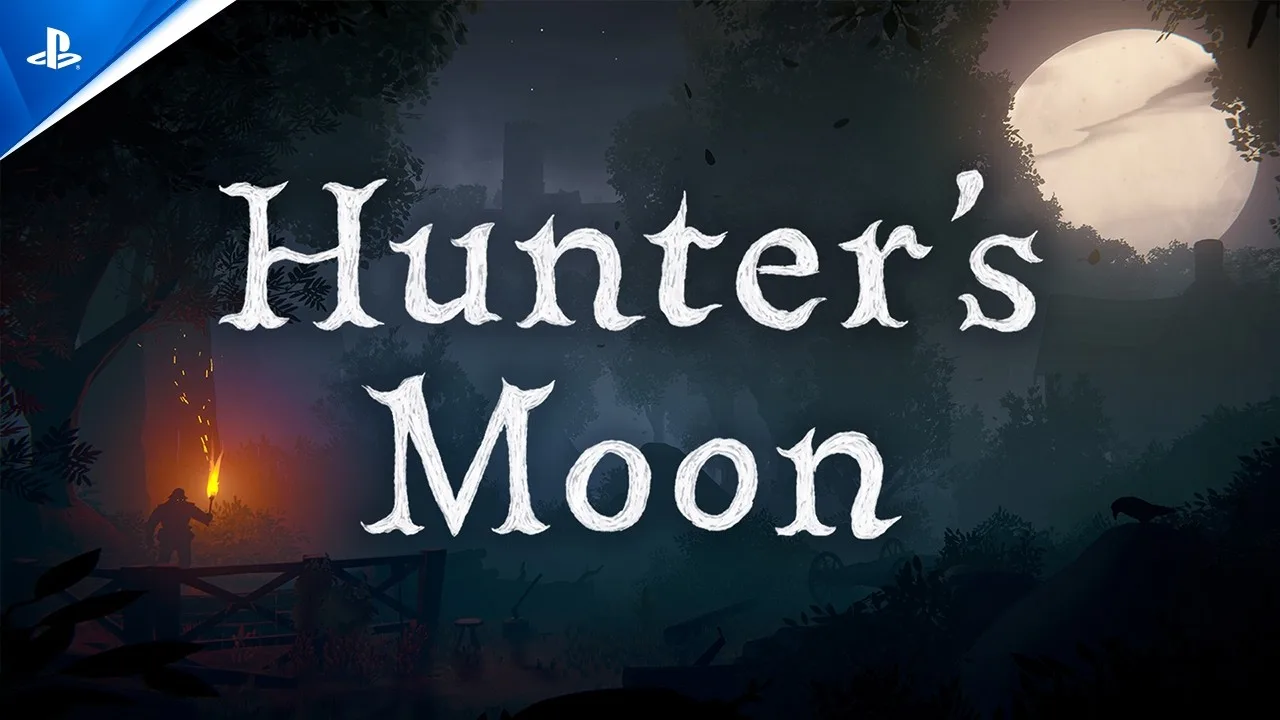
The Accusation and Lilith’s Flight
The Hunter's Moon story puts you outside locked doors while your neighbors search for someone to condemn. You play as Lilith Thorne, an accused woman whose survival depends on escaping pursuers and finding help in a frightened Yorkshire village. This Hunter's Moon story guide follows that struggle, explaining the accusation, the people hunting you, and how to approach the conversations along your escape.
The entire story unfolds over one night in 17th-century England. Lilith travels through a rural village, neighboring hamlets, forests, and moors while a witch hunt turns familiar surroundings into dangerous territory. Your immediate purpose is clear: stay out of the hunters’ hands and search for safety.
Understand why the village turns against Lilith
Lilith is the daughter of midwife Agnes Thorne. Following a childbirth that kills Lady Black and her baby, surviving women in the Thorne family are blamed for the tragedy. The bereaved father’s drunken testimony helps turn that blame into a hunt.
That background matters because Lilith’s connection to healing offers her little protection. Someone associated with helping the community becomes a target when grief and suspicion take hold. The accusation changes how people respond to her before she can explain herself.
The Hunter's Moon story builds its horror around that collapse of trust. Lilith needs assistance from the same community that now fears her.
| Area | Your objective |
|---|---|
| Forest paths | Continue your escape while avoiding the hunting party |
| Village and hamlets | Find people willing to speak or offer assistance |
| Occupied houses | Listen for stories, useful knowledge, and opportunities for help |
| Surrounding countryside | Pursue safety while navigating encounters along the way |
Begin with these priorities
- Keep Lilith’s immediate danger in mind. The opening places her directly in flight from torch-carrying pursuers.
- Listen as you move. Conversations among the hunters help establish the threat around you.
- Look for opportunities to ask for help. Houses and travelers both belong to the escape, rather than serving only as scenery.
Watch for these early story details:
- References to Agnes Thorne and the fatal childbirth.
- The difference between what happened and what villagers believe happened.
- People whose reactions reveal whether they fear Lilith or sympathize with her.
Let those details shape how you read each encounter. A closed door carries more weight when you understand the accusation behind it.
The Woods, Moors, and Witch Hunters
Once Lilith is running, the countryside becomes the connecting tissue of the Hunter's Moon story. Forest paths link settlements, while the surrounding moors reinforce how exposed she is outside the village’s homes.
The pursuit has recognizable human faces: the Witchfinder General, the village magistrate, and a local huntsman. Each brings a different position within the hunt. Together, they make the threat feel rooted in the community’s authority and everyday life.
| Pursuer | Place in the story | Your practical priority |
|---|---|---|
| Witchfinder General | A central figure hunting Lilith | Avoid capture while continuing your search for safety |
| Village magistrate | The village’s authority figure among her pursuers | Remember that local authority is part of the danger |
| Local huntsman | A hunter participating in the pursuit | Stay attentive while traveling between encounters |
Move through the countryside with purpose
- Use stealth and caution to evade pursuit. Lilith’s escape revolves around avoiding capture.
- Listen for the hunting party’s conversations. Their presence is part of the surrounding soundscape and story.
- Balance movement with investigation. You need to keep escaping, but useful encounters also lie along the journey.
Resist the urge to interpret every stretch of woodland as empty space between important scenes. The landscape holds the pursuit together: torchlight, voices, and the looming moon keep Lilith’s situation present even when nobody is speaking directly to her.
The visual style strengthens that feeling. Characters move with a stop-motion-inspired quality, and the countryside has a handcrafted appearance. Against the dark woods, warm torchlight can look inviting while also belonging to the people searching for you.
Read the historical threat
The Witchfinder General connects the fiction to England’s early modern witch hunts. The game’s historical inspiration includes the persecution associated with Matthew Hopkins, whose investigations helped shape the image of the self-appointed witchfinder.
The Hunter's Moon story focuses on people who believe witchcraft is real and act on that belief. Their certainty gives the accusation force. Lilith cannot simply explain away a misunderstanding when her pursuers already accept the premise behind it.
Notice how the hunt combines official authority, personal grievance, and fear. That combination explains why running through familiar countryside can feel like entering hostile territory.
Details to catch while traveling:
- What the hunters say to one another.
- How paths connect isolated homes and settlements.
- The contrast between the countryside’s beauty and Lilith’s vulnerability.
Village Windows and Closed Doors
The houses give the Hunter's Moon story much of its personality. Behind windows, people argue, worry, gossip, and carry on with domestic problems while a woman is hunted outside.
Most villagers have been instructed to remain indoors during the hunt. That helps explain the unusual arrangement: Lilith moves through public space while much of the community exists as voices and silhouettes behind walls.
Eavesdropping lets you encounter those households without immediately asking them to acknowledge you. Knocking changes the interaction by making your presence known.
| Interaction | What it offers | How to approach it |
|---|---|---|
| Listening at windows | Household conversations and village stories | Give the exchange time to develop |
| Knocking on doors | A direct request for contact or assistance | Consider what you have heard before approaching |
| Speaking with travelers | Encounters beyond the village’s interiors | Pay attention to their circumstances |
| Receiving assistance | Items or knowledge connected to survival | Remember who offered help and what they said |
Work through each encounter carefully
- Listen before interrupting. Eavesdropping is a central way to discover the village and its inhabitants.
- Follow the whole conversation. An exchange can contain humor, personal trouble, or information relevant to Lilith.
- Approach a door deliberately. Some residents refuse contact, while others offer assistance.
- Connect each encounter to the wider village. Notice how fear of witchcraft enters otherwise ordinary household concerns.
The dialogue gives you more than a sequence of frightened reactions. These are people worn down by war and misfortune, and their conversations reflect lives that extend beyond the hunt. Domestic complaints and moments of comedy sit beside the threat facing Lilith.
That contrast makes the community harder to reduce to a single angry crowd. Individual households have their own concerns, even when collective fear influences their behavior.
Listen for character as well as clues
More than 100 voiced characters populate the game’s village stories. Give yourself room to hear their differences: a household’s priorities can explain its response to Lilith as clearly as any direct statement about witchcraft.
The immersive-theater influence is especially apparent here. You stand outside a scene already in progress, listening to people who have their own relationships and grievances. Lilith’s emergency intersects with those lives rather than replacing them.
The Hunter's Moon story also uses obscured faces, window silhouettes, and masked figures to make partial knowledge feel natural. You hear people before you fully understand them.
Watch for these easily overlooked opportunities:
- A resident willing to offer an item.
- A conversation explaining someone’s need for help.
- An encounter with a traveler outside the houses.
Listen with curiosity, but keep the pursuit in mind. Lilith is discovering the village while trying to survive it.
Helping Villagers While Pursuing Safety
Finding someone willing to answer is only part of the escape. Lilith also encounters people with problems of their own, and helping them connects her survival to the village’s everyday needs.
That creates a pointed tension in the Hunter's Moon story. A woman accused after a tragedy involving her family’s healing work must continue dealing with a community that both needs assistance and fears her.
Items offered along the way do not always have an immediately obvious purpose. Keep track of those exchanges rather than dismissing an object because its use is unclear when you receive it.
| Part of the escape | What to pay attention to |
|---|---|
| Requests for assistance | The person’s problem and the details of the conversation |
| Items offered by residents | What you received and the circumstances of the exchange |
| Encounters with travelers | Their needs and their connection to your journey |
| Continued pursuit | The danger of capture while seeking further help |
Carry the story forward through assistance
- Hear out people who describe a problem. Their circumstances give context to what Lilith can do for them.
- Remember offers of help. Knowledge and items both belong to the survival objective.
- Track unfinished encounters mentally or in your own notes. Use brief reminders about the person, their need, and anything they offered.
- Keep searching for safety. Investigation and assistance support the escape; the hunt remains the reason you are moving.
Do not confuse a colorful conversation with a disposable one. The village’s humor and domestic drama help establish its character, but some encounters also provide practical assistance. Listen for both purposes.
Understand what the endings mean for the journey
Hunter’s Moon includes favorable and unfavorable outcomes. Approach the night with attention to assistance, useful items, and avoiding capture, rather than assuming that moving forward alone resolves Lilith’s predicament.
The story’s pressure comes from having to depend on other people while those same social relationships have become dangerous. Every offer of kindness matters because the larger community has made Lilith vulnerable.
Its roughly two-hour narrative scale keeps that situation concentrated. Allow more time if you want to linger over household conversations or revisit the story. The dialogue is a substantial part of the experience, so leave room for listening.
Follow the village’s central contradiction
The folk costumes and masked mummers give the hunt a festival-like atmosphere. That pageantry sits uneasily beside Lilith’s fear: the same night can look communal and celebratory to one person while threatening another’s life.
Watch how those perspectives overlap. A beautifully lit settlement can still refuse shelter. An amusing conversation can reveal a cruel assumption. A resident struggling with an ordinary problem can become someone Lilith needs.
As you move toward an outcome, keep the original accusation in view. The Hunter's Moon story begins with grief being redirected toward the Thorne family, then asks you to navigate the consequences at ground level. Following individual voices makes that wider tragedy personal.
FAQ
What is the Hunter's Moon story about?
The Hunter's Moon story follows Lilith Thorne, an accused woman fleeing a witch hunt during one night in 17th-century Yorkshire. She searches for safety through villages, forests, and moors while listening to residents and seeking assistance.
Why is Lilith Thorne accused of witchcraft?
Lilith is the daughter of midwife Agnes Thorne. After Lady Black and her baby die during childbirth, surviving women in the Thorne family are blamed. The father’s testimony contributes to the accusation and the ensuing hunt.
How do you uncover the village’s stories?
Listen at windows, knock on doors, and speak with travelers. Eavesdropping reveals household conversations, while direct encounters can lead to knowledge, requests for assistance, and items that support Lilith’s escape.
Is Hunter’s Moon connected to Bloodborne?
Bloodborne helped inspire its door-knocking and eavesdropping interactions. Hunter’s Moon is a separate historical folk-horror game centered on Lilith’s flight, village conversations, and avoiding witch hunters. It is available on PS5 through the Hunter’s Moon PlayStation Store page.
Continue with
 Hunter's Moon Worth It? Price, Length, and TradeoffsIs Hunter's Moon worth it at $19.99? Explore its two-hour story, folk-horror atmosphere, stealth, and ending frustrations before buying the PS5 adventure.
More in Guides
See all GuidesContinue exploring
Join the community
Official channels for news, updates and player help: