
Hunter's Moon Eavesdropping: Doors, Clues, and Danger
Hunter's Moon eavesdropping helps you read village conversations and seek help. Learn how to approach houses, listen for clues, and weigh every knock.
Jump to
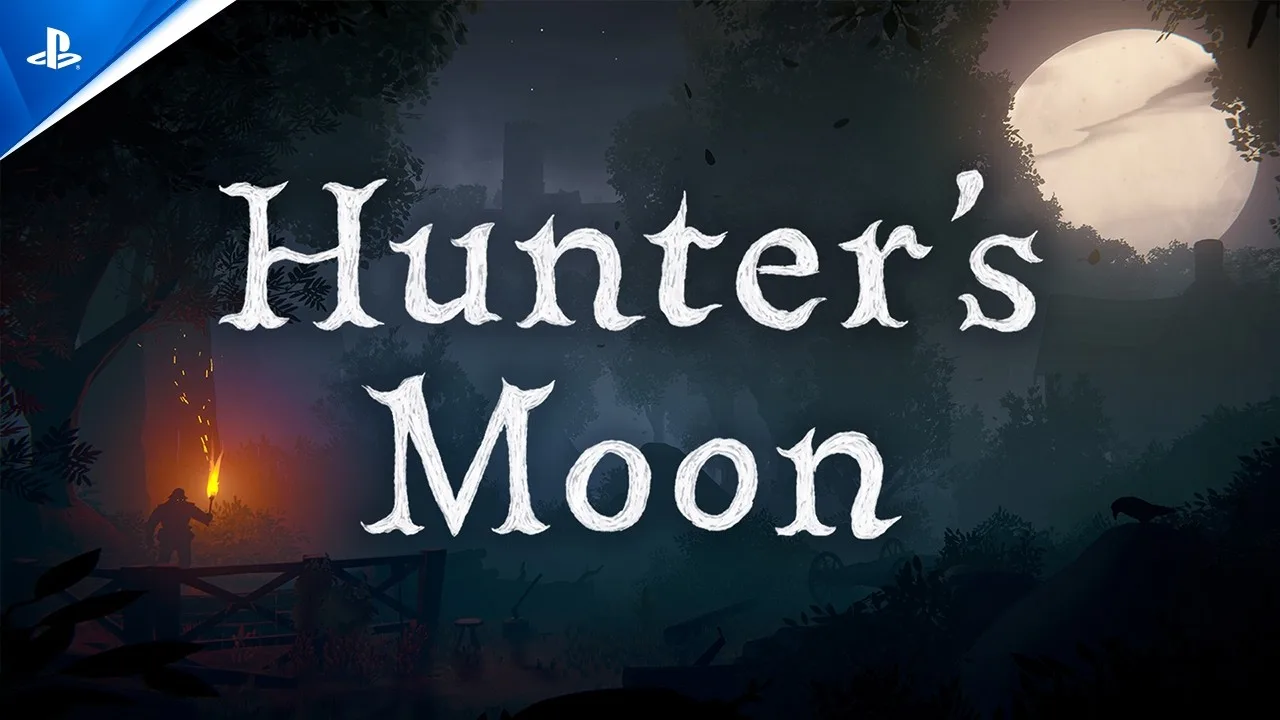
How Does Eavesdropping Work in Hunter's Moon?
A lit window puts an entire household within earshot while Lilith Thorne faces a witch hunt outside. Hunter's Moon eavesdropping lets you listen to conversations inside village houses, making those sheltered voices a central part of exploring the night. Take time with Hunter's Moon eavesdropping to understand the community around you as you search for help.
You play as a young woman fleeing through a 17th-century Yorkshire village and its surrounding countryside. Other villagers have been instructed to remain indoors during the hunt. That leaves houses occupied but often unwelcoming, with conversations continuing behind the windows while torch-carrying hunters search outside.
Listening gives you access to those private exchanges. Knocking creates a different encounter: you ask the occupants to acknowledge you and potentially offer assistance. Both interactions matter, but hearing a household's conversation and receiving its help are separate experiences.
| Interaction | What happens | What to pay attention to |
|---|---|---|
| Eavesdropping at houses | You hear conversations taking place indoors | Household concerns, attitudes, and village life |
| Knocking on doors | You seek a response from the occupants | Whether anyone will engage with Lilith |
| Talking with travelers | You interact with people encountered along the way | What they need and what they offer |
| Hearing the hunting party | You listen to pursuers talking during their search | The presence of the people hunting you |
Approach the village as a place full of people with their own concerns. The households are part of the story, and listening makes the hunt feel personal: ordinary domestic life continues while Lilith struggles to survive outside.
Listening and Knocking Serve Different Purposes
The important distinction in Hunter's Moon eavesdropping is between overhearing someone and directly asking them for help. A conversation can reveal plenty about a household without turning its occupants into willing allies.
Most residents are reluctant to answer Lilith's knocks. Some provide items, while others refuse to help. A house with a light on is therefore worth your attention, but its welcoming appearance tells you little about the response waiting behind the door.
Listen to the exchange, then consider the interaction itself. Keep the household's private conversation separate from what its occupants actually say to Lilith.
| What you encounter | What it tells you | How to approach it |
|---|---|---|
| Voices inside a house | The household has a conversation to hear | Listen for its subject and the speakers' concerns |
| An unanswered knock | The occupants are unwilling to engage | Continue looking for help elsewhere |
| Someone offering an item | The encounter provides something tangible | Remember who gave it to you and the surrounding dialogue |
| A traveler needing assistance | Another person has a problem during your escape | Hear out the request before moving on |
Avoid treating every conversation as a transaction. Some exchanges build the village's character through arguments, anxieties, or humor. Their value can be understanding the people around you, even when the encounter produces no item.
At the same time, stay attentive when someone discusses a concrete need. Lilith's search for assistance involves helping other people, so a conversation about a person's trouble deserves a different kind of attention from general household chatter.
The useful habit is simple: distinguish what someone believes, what someone needs, and what someone actually gives you. Those details serve different purposes during the escape.
What to Listen for Behind Village Windows
Hunter's Moon eavesdropping makes the village more than a collection of buildings along a forest path. Each household offers a small scene, and those scenes show how fear of witchcraft spreads through everyday relationships.
Listen for the subject of the conversation before trying to decide what to do next. Who is worried? Who is making an accusation? Is someone describing a personal problem, discussing the hunt, or simply dealing with life inside their home?
These questions help you follow the dialogue without assuming that every sentence contains a hidden solution.
Separate Personal Trouble From Village Gossip
A household discussing its own difficulties gives you a different kind of information from one repeating suspicions about witchcraft. Keep those threads distinct.
When a character needs assistance, focus on the request. When the conversation concerns Lilith or the hunt, pay attention to how the speakers understand what is happening. That distinction helps preserve both the practical and emotional meaning of an encounter.
For quick personal notes, use plain descriptions:
- The household's main concern.
- Any direct request for help.
- Any item offered to Lilith.
- Anything the speakers say about the hunt.
Keep your notes brief enough that you can return your attention to the dialogue. Recording the substance of an exchange is more useful than trying to reproduce every line.
Give the Humor Room to Land
The village conversations include amusing domestic moments alongside the persecution. That tonal mixture matters. People still squabble and concern themselves with ordinary problems while something terrible unfolds nearby.
Listen to those scenes for their characters as well as their practical details. The contrast gives the village an uncomfortable familiarity: the people surrounding Lilith have recognizable lives, even as their community turns against her.
The voice cast supports that sense of a populated place, with 48 actors performing around 100 roles. Give different voices your attention. The scale of the cast helps individual households feel distinct across the night's encounters.
Connecting Conversations With Requests and Items
Hunter's Moon eavesdropping sits alongside a broader escape objective. Early in the journey, a fortune teller points Lilith toward obtaining four items needed to survive the night. Helping other people forms part of finding them.
That gives conversations a practical role, but it does not make every exchange an item pickup. Some people offer objects whose purpose is not immediately obvious. Others need help themselves.
Listen carefully when an encounter moves from general conversation into a request or an exchange. Remember the context in which an object appears, especially when its usefulness is unclear at the time.
| Conversation detail | Why it deserves attention | Practical response |
|---|---|---|
| The fortune teller's instructions | They introduce the four-item objective | Keep that objective in mind during exploration |
| A person's request for help | Assistance is part of obtaining needed items | Pay attention to what the person asks |
| An offered object | Its purpose may not be immediately apparent | Remember the exchange and accompanying dialogue |
| A traveler's problem | Useful interactions also happen away from houses | Include travelers in your search for assistance |
Keep the four-item objective separate from the general flow of household stories. You can enjoy a revealing conversation without having advanced that objective. Likewise, receiving an object deserves attention even if the surrounding scene initially seems like a small diversion.
When an item changes hands, pause mentally and connect it to the person involved. Remembering “who offered this and why” gives the object context without requiring you to guess its eventual purpose.
Balance your attention between houses and the people encountered outdoors. The village's windows draw you toward domestic scenes, but travelers also have interactions worth pursuing. Searching only doorways would leave part of Lilith's journey unexplored.
Avoid measuring progress by the number of doors you have visited. Focus on the substance of each encounter: a request understood, assistance offered, or an object received.
Balancing Careful Listening With the Witch Hunt
The tension in Hunter's Moon eavesdropping comes from the situation around each conversation. Lilith is outside, exposed to the hunt, while other villagers remain sheltered indoors. Listening brings you close to their lives without giving you the same protection.
Keep that setting in mind when moving between encounters. The woods, hamlets, and village are also the hunting party's search area, and their conversations belong to the sound of the night.
Give both kinds of dialogue your attention. A domestic exchange develops the people behind a window; hunters speaking nearby connect the surrounding countryside to Lilith's immediate predicament.
| Part of the experience | What it contributes | Where to focus |
|---|---|---|
| Household conversations | Personal stories and attitudes toward the hunt | What the occupants care about |
| Hunters' dialogue | The pursuit happening around Lilith | The people searching for her |
| Traveler encounters | Requests and interactions outside homes | The other person's situation |
| Folk music and village atmosphere | The night's distinctive folk-horror mood | The setting between encounters |
Explore With a Purpose
Before moving on from an interaction, identify what you learned. Perhaps a household exposed its prejudices. Perhaps someone asked for assistance. Perhaps an exchange placed an unfamiliar object in Lilith's hands.
That small moment of attention helps keep conversations distinct. It also prevents the village from blurring into a succession of voices and windows.
Use this listening checklist throughout your escape:
- Follow the subject of the conversation.
- Notice when someone makes a direct request.
- Remember objects received during an exchange.
- Hear out travelers as well as householders.
- Stay attentive to the hunting party outside.
Let the Presentation Support the Story
The stop-motion-style animation, silhouettes, masks, and dark windows all shape how you experience these encounters. Faces are often obscured, so voices carry much of the characterization.
Listen for the relationship between speakers as well as the information they exchange. An argument, a fearful response, or a casual remark can make a household memorable without exposing every face inside it.
That is the lasting appeal of Hunter's Moon eavesdropping: a village becomes legible through the people you hear. For players ready to enter that night, Hunter's Moon is available on PlayStation 5.
FAQ
What is Hunter's Moon eavesdropping?
It is the act of listening to conversations inside village houses while playing as Lilith Thorne. These exchanges reveal household stories, attitudes toward witchcraft, and the community surrounding her escape.
Is eavesdropping the same as knocking on a door?
They are separate interactions. Eavesdropping lets you hear people talking indoors. Knocking asks the occupants to respond directly to Lilith, and some residents offer items while many refuse to help.
Does every house give you an item?
No. Many occupants are unwilling to answer the door or assist Lilith. Listen for the household's story, and pay particular attention when an encounter includes a request or an offered object.
Should you talk to travelers as well as listen at houses?
Yes. Travelers have their own interactions along Lilith's route, and helping others is part of the search for the four items introduced by the fortune teller. Include outdoor encounters when looking for assistance.
Continue exploring

Hunter's Moon PS5: Release, Gameplay, and Buyer Guide
Hunter's Moon PS5 brings a historical witch hunt to life. Explore release dates, stealth, village encounters, and what to expect before you start playing.
Hunter's Moon Beginner Guide: Survive the Witch Hunt
Use this Hunter's Moon beginner guide to prepare for the hunt, follow conversations, seek help, and explore Lilith's dangerous journey through Yorkshire.
Join the community
Official channels for news, updates and player help: