
Hunter's Moon Folk Music: Inside Its Haunting World
Explore Hunter's Moon folk music, its place in the PS5 game's witch hunt, and how songs, village voices, and eerie visuals shape your night in Yorkshire.
Jump to
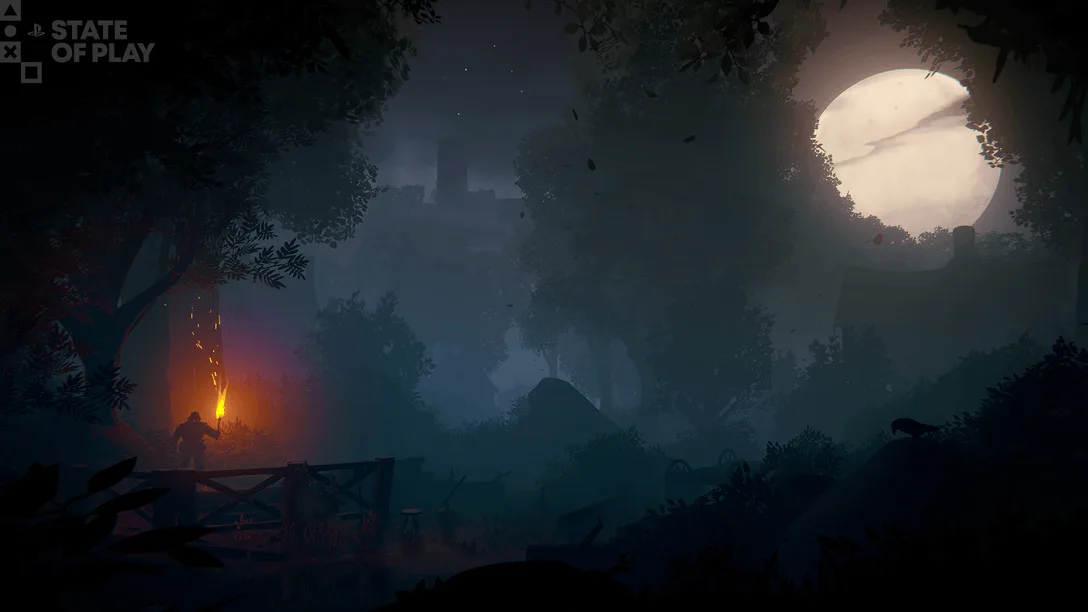
What Does Hunter's Moon Folk Music Add to the Game?
Hunter's Moon folk music brings beauty to a night when every torch could mean trouble. In Twin Swans’ PS5 adventure, that beauty makes the witch hunt feel more unsettling because the village has warmth, personality, and people worth listening to. Hunter's Moon folk music helps give this threatening place the character of a living community.
You play as Lilith Thorne, a young woman fleeing accusations of witchcraft in 17th-century Yorkshire. Your route takes you through woodland and settlements, past illuminated windows and doors that might offer help—or expose you to danger. Folk songs sit alongside conversations and a distinctive stop-motion visual style, giving the journey an intimacy that a chase alone could never provide.
The appeal is the combination. You are trying to survive, yet the world keeps offering reasons to pay attention: a household argument, an unexpected kindness, a striking view, or a beautiful piece of music.
| Element | What you encounter |
|---|---|
| Music | Folk songs accompanying the escape |
| Setting | A 17th-century Yorkshire village, surrounding hamlets, forests, and moors |
| Perspective | A first-person journey as an accused young woman |
| Presentation | Stop-motion-style animation and theatrical village scenes |
| Central activity | Evading hunters while seeking help and listening to villagers |
For players drawn to atmospheric narrative games, the music belongs near the center of the conversation. It helps make the countryside feel like somewhere people live, even as that community turns against Lilith.
Listen for that tension between beauty and danger. It gives the game’s folk-horror setting much of its emotional pull.
How Folk Songs Fit the Witch Hunt
Hunter's Moon folk music fits a story built around ordinary people and the harm they can do through fear and conviction. Lilith’s pursuers are human, and the accusations against her grow out of village relationships, authority, and suspicion.
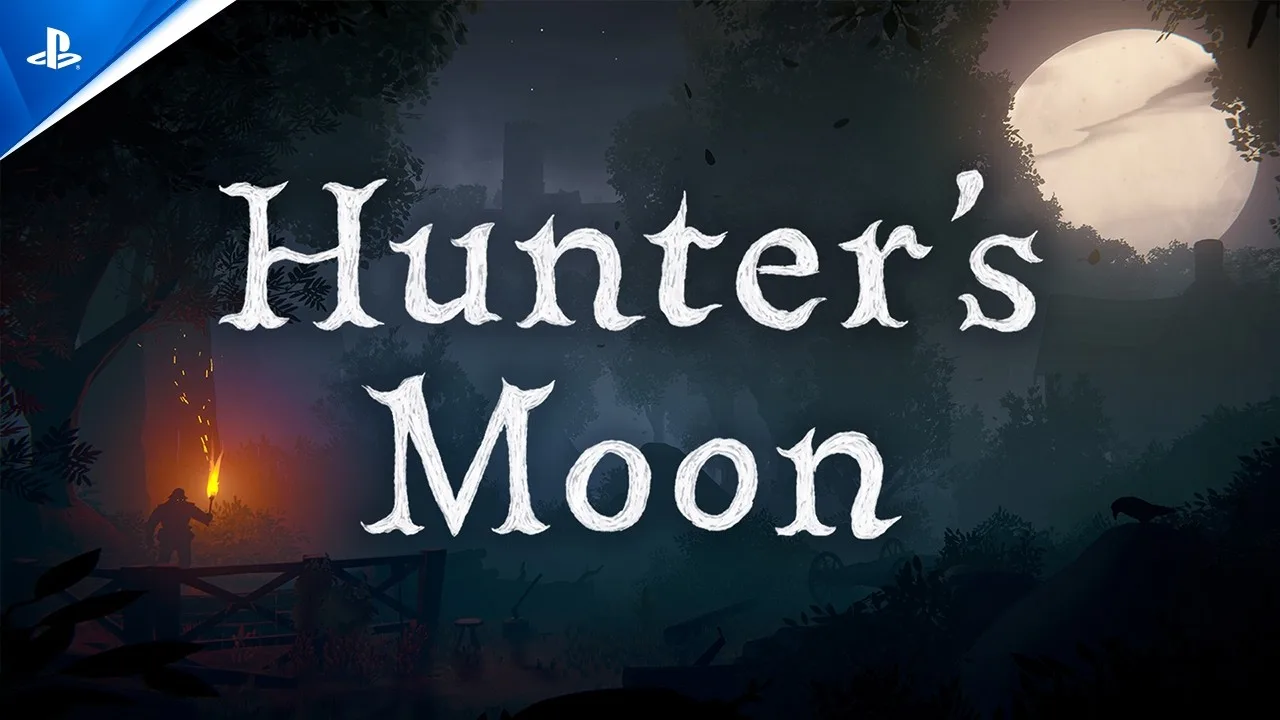
That matters because a beautiful song does not automatically make its surroundings comforting. Here, the pleasure of listening shares space with the knowledge that Lilith is being hunted. The countryside can be inviting to look at and painful to inhabit.
The festival atmosphere sharpens that contrast. Villagers wear masks and dress like mummers, while torchlight brings orange and red into the greens and browns of the landscape. The result has the visual appeal of a storybook, with persecution unfolding inside it.
| Part of the presentation | Its place in the experience |
|---|---|
| Folk songs | Add musical beauty during Lilith’s escape |
| Masks and mummers | Give the hunt a festival atmosphere |
| Torchlit surroundings | Bring vivid color to the nighttime landscape |
| Stop-motion-style figures | Support the game’s theatrical, storybook appearance |
| Witch-hunt narrative | Gives those appealing surroundings a threatening context |
The relationship between these elements is where the game becomes interesting. Music, costumes, and stylized animation make the village memorable; the story asks you to confront what its inhabitants are willing to accept.
There is also a useful distinction between historical setting and historical subject. Hunter’s Moon places you in early modern England, but its emotional focus is immediate: a person needs help, and the people behind the doors must decide whether to offer it.
The folk songs contribute to that human scale. Against a narrative about accusation and exclusion, their beauty can feel especially poignant. You can appreciate the village’s culture while recognizing how dangerous belonging to that village has become for Lilith.
Listen to the Village as Closely as the Music
Hunter's Moon folk music shares the soundscape with an unusually substantial cast: 48 voice actors perform around 100 roles. For a story centered on a small community, that gives the houses, travelers, and hunting party plenty of distinct personalities.
Much of your understanding comes from listening. You can overhear conversations inside homes, hear hunters talking during their search, and speak with people you encounter along the route. These exchanges build a picture of village life beyond the immediate pursuit.
The households also bring humor. Even with a tragic situation unfolding outside, the people indoors have their own concerns and disagreements. Those moments give you something more varied than a continuous stream of threats.
Pay attention to the difference between public fear and private conversation. Lilith moves through a community whose residents have been told to remain indoors, leaving her to seek assistance across thresholds that other people control.
| Sound or interaction | What it contributes |
|---|---|
| Folk singing | Musical atmosphere throughout the journey |
| Household conversations | Glimpses of domestic life, personality, and humor |
| Hunters’ conversations | The voices of the people pursuing Lilith |
| Travelers’ dialogue | Encounters beyond the closed village homes |
| Knocking on doors | Opportunities to request help and interact with residents |
This makes listening part of how you engage with the world. Dialogue can lead you toward people who need assistance, while some residents offer items. The conversations therefore have practical importance alongside their dramatic appeal.
Give a conversation your attention before moving on. Following the thread helps you understand the person behind the window and the part that encounter plays in Lilith’s escape.
The same patience suits the music. Hunter's Moon folk music works within a larger performance of voices, silhouettes, masks, and nighttime scenery. Let those elements register together, and the village develops a much stronger identity than its threatening premise alone suggests.
How to Enjoy the Music Without Losing the Trail
There is a practical complication to taking your time: Lilith still has to survive the night. Hunter’s Moon combines exploration and conversation with stealth, item gathering, and consequences for mistakes.
Four items are necessary for the good ending, and an early encounter with a fortune teller introduces that objective. Finding help requires exploration, but knocking on the wrong door can lead to arrest. Capture can cost Lilith a key item, putting the good ending out of reach for that attempt.
Treat the musical atmosphere as part of the journey while keeping those stakes in mind. The game encourages curiosity, but curiosity needs attention to the situation around you.
- Listen to the fortune teller’s instructions. The four-item objective gives your exploration a purpose.
- Follow conversations about people needing help. Lilith’s willingness to assist others matters during the escape.
- Stay clear of the torch-carrying hunters. They remain a threat while you move between encounters.
- Consider a door before knocking. Some interactions expose Lilith to arrest.
- Pay attention to hints as they arrive. Returning for something missed is frequently unavailable.
Those habits also support a more focused listening experience. Understanding why you are approaching a house or helping a traveler gives the surrounding dialogue and music a clearer dramatic context.
Keep the save limitations in mind
The PS5 game’s autosave behavior can preserve progress after a costly mistake, and you cannot simply select an earlier autosave to undo it. Missing a crucial item or losing one through arrest can therefore lead to another full attempt if you want the good ending.
Repeated dialogue has a cost, too. Longer conversations and scenes lack skip or fast-forward options, so a restart means hearing familiar material again.
Absorb the important conversations during your initial journey. That advice serves both sides of Hunter’s Moon: the village is richer when you listen, and its objectives are easier to follow when you catch the relevant details.
What to Expect From This Short Folk-Horror Journey
Hunter's Moon folk music is part of a compact adventure that takes roughly two hours for a playthrough. Pursuing a different outcome can extend that time, particularly when a missed item or arrest prompts a restart.
That scale shapes the experience. You spend a concentrated stretch of time with one accused woman, one community, and one night of danger. The songs and conversations help give that limited setting texture.
| Feature | What to expect on PS5 |
|---|---|
| Playthrough length | Roughly two hours |
| Main activities | Exploration, eavesdropping, conversations, and some stealth |
| Good-ending objective | Gather four necessary items and escape |
| Setbacks | Arrest can remove a key item |
| Replay friction | Longer conversations cannot be skipped or fast-forwarded |
The music sits within a game whose strongest appeal includes its atmosphere, performances, and visual character. If those elements draw you in, leave room to notice them while following Lilith’s objectives. Moving through every encounter as quickly as possible reduces the time you spend with the village’s small stories.
At the same time, approach the good-ending pursuit with patience. An appealing musical passage and a beautifully staged conversation do not soften the consequences of a missed requirement. The game can demand another attempt even when the previous journey felt close to complete.
Understand the Bloodborne connection
The connection to Bloodborne centers on encountering people through doors and windows. That idea helped shape a game about listening, knocking, and seeking help from people who remain inside their homes.
It explains why the voices behind those windows matter so much. Your relationship with the village develops through partial access: you hear lives unfolding indoors while Lilith remains exposed outside.
Hunter's Moon folk music complements that intimate structure. Together with the voice performances and puppet-like animation, it gives the escape the feeling of moving through a staged folk tale.
For the PS5 version, visit the Hunter’s Moon PlayStation Store page to find the game.
FAQ
Does Hunter's Moon have folk music?
Yes. Hunter's Moon folk music includes folk songs heard during Lilith’s escape through the Yorkshire countryside. Singing accompanies a broader audio presentation built around household conversations, travelers, and the voices of the hunters pursuing her.
Is Hunter’s Moon mainly a music game?
Hunter’s Moon is a first-person historical narrative adventure with exploration, conversations, item gathering, and some stealth. Music contributes to its atmosphere while your main objective is helping Lilith survive the witch hunt.
How long is Hunter’s Moon on PS5?
A playthrough takes roughly two hours. Additional attempts to reach the good ending increase the total time, and longer conversations cannot be skipped or fast-forwarded during repeat runs.
Can I listen to conversations without affecting my progress?
Eavesdropping is part of exploring the village, and conversations help you understand its residents. Keep the escape objectives in mind while listening: crucial hints and items matter, and knocking on the wrong door can lead to arrest and the loss of a key item.
Continue with
Hunter's Moon Item Uses: Key Items and Ending RisksLearn Hunter's Moon item uses, why four key items matter for the good ending, and how missed encounters or an arrest can derail Lilith's escape. Plan now.More in Features
Hunter's Moon First Person Perspective: How It Plays
Hunter's Moon first person perspective puts you in Lilith's escape. Explore eavesdropping, stealth, and the folk-horror details shaping a night of fear.
Hunter's Moon Stop Motion Animation: Style Explained
Explore Hunter's Moon stop motion animation, its puppet-inspired characters, eerie Yorkshire setting, and practical tips for navigating the PS5 witch hunt.
Hunter's Moon Knocking on Doors: Risks and Rewards
Hunter's Moon knocking on doors reveals quests, village secrets, and dangerous refusals. Learn how to read each encounter and protect your escape attempt.
Hunter's Moon NPC Behaviour: Read the Village's Fear
Understand Hunter's Moon NPC behaviour, read villagers' reactions, follow useful conversations, and recognize the risks of seeking help during the hunt.
Continue exploring
Join the community
Official channels for news, updates and player help: