
Hunter's Moon Travellers: Characters and Survival Tips
Meet Hunter's Moon travellers and learn how roadside encounters, village conversations, and key items shape Lilith's escape through a deadly witch hunt.
Jump to
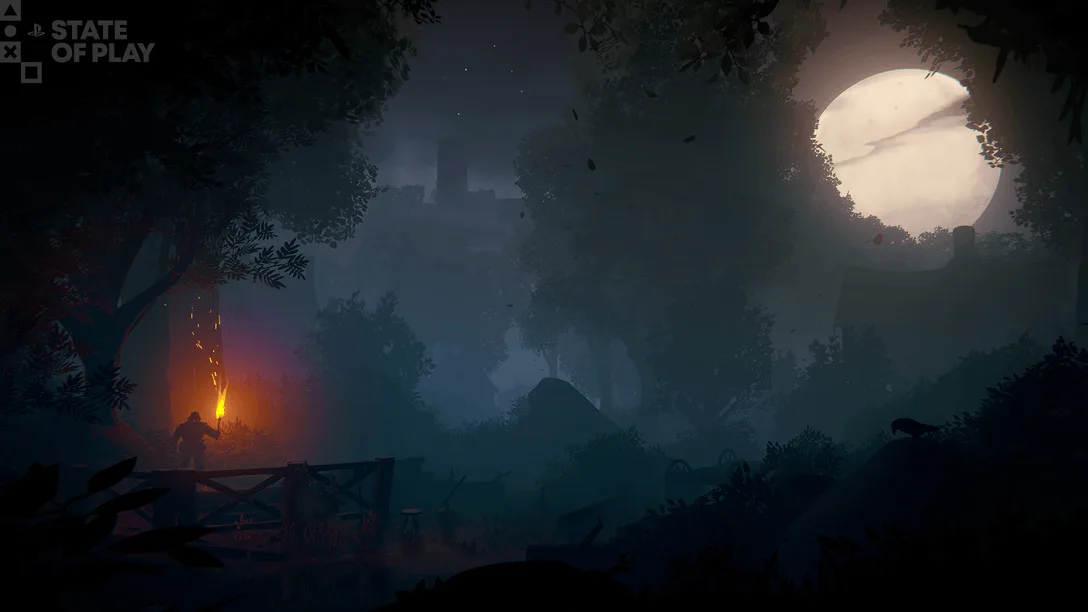
Who Are the Travelers in Hunter's Moon?
Hunter's Moon travellers give Lilith someone to speak to while a witch hunt drives her through the countryside. These encounters matter because escaping involves finding help and securing essential items while staying ahead of her pursuers. Pay attention to Hunter's Moon travellers alongside the people behind village windows: conversation is a central part of surviving this night.
You play as Lilith Thorne, a young woman accused of witchcraft in 17th-century Yorkshire. Most residents have been ordered to remain indoors during the hunt, leaving Lilith to move between woodland paths, hamlets, and houses while hunters search for her.
Travelers provide encounters outside those closed households. A merchant dealing with a stuck cart is one memorable example, while an early fortune teller introduces the importance of collecting four essential items. Together, these characters make the journey more involved than simply following a path away from danger.
Keep the different groups straight as you explore:
| Character or group | Situation during the hunt | Role in Lilith's journey |
|---|---|---|
| Travelers | Encountered along Lilith's path | Offer opportunities for interaction outside houses |
| Merchant | His cart is stuck, and he cannot sell his goods to the villagers | Presents a roadside predicament |
| Fortune teller | Speaks to Lilith early in her escape | Explains the importance of four essential items |
| Housebound villagers | Ordered to stay indoors | Provide conversations, refusals, and occasional items |
These people have different concerns, even though they occupy the same small community. Listen for those concerns rather than assuming every encounter serves the same purpose.
Official page: Hunter's Moon (twinswans.com)
The Merchant and His Stuck Cart
Among the Hunter's Moon travellers, the merchant stands out because his problem is immediate and practical: his cart has become stuck, and he is struggling to sell his goods to the villagers.
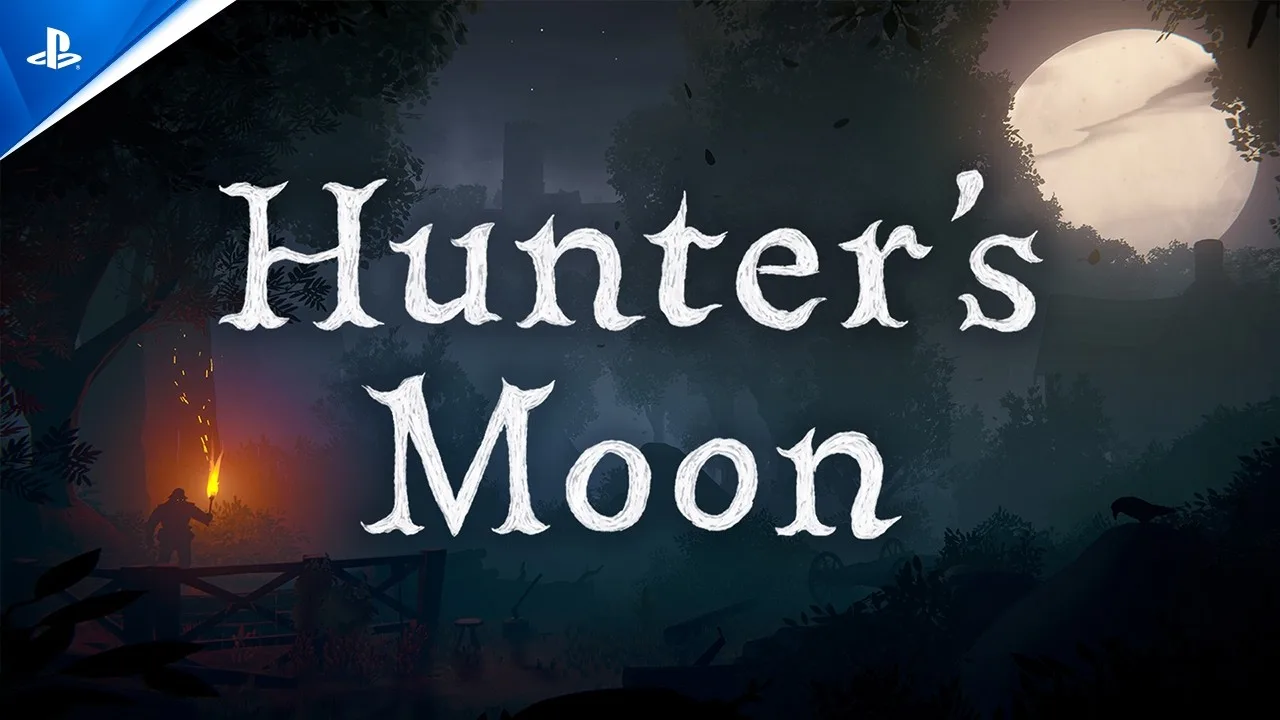
That encounter fits the game's broader pattern of people needing assistance while Lilith desperately needs help herself. Her escape takes her through a countryside full of interrupted lives. The hunt dominates her night, but other people remain absorbed in their own difficulties.
Listen to the merchant's explanation before moving on. His predicament gives you a reason to engage with someone outside a house, where so much of the village's dialogue otherwise takes place.
The useful distinction is between meeting a merchant character and assuming that meeting works like a familiar shop screen. Focus on the conversation and the problem he describes. Let the encounter establish what matters instead of approaching it with expectations borrowed from another game.
The merchant also adds texture to the setting. A cart that cannot move and goods that cannot find buyers belong to the ordinary business of village life. Set against torchlight and accusations of witchcraft, that ordinary frustration makes the countryside feel inhabited.
For players interested in characters, this is part of the appeal: Lilith's emergency intersects with someone else's bad night. Give that exchange enough attention to understand both sides.
During a repeat playthrough, remember that extended conversations take time. Follow the details deliberately on your initial encounter so that the character's problem remains clear when you think back over your route.
The Fortune Teller and the Four Essential Items
The most important early survival information comes from a fortune teller: Lilith needs four essential items to survive the night.
That instruction gives your exploration a concrete purpose. Moving away from the hunters is only part of the task. You also need to discover people who need assistance and follow the interactions involved in obtaining those items.
When thinking about Hunter's Moon travellers, keep this objective in view. Roadside conversations belong to the same escape attempt as the tense stretches between houses. A person with a problem deserves your attention even when the chase makes moving forward feel urgent.
| Survival detail | What happens | Practical takeaway |
|---|---|---|
| Early guidance | A fortune teller identifies four essential items | Keep the four-item objective in mind throughout the escape |
| Helping others | Obtaining the items involves assisting people | Listen for requests and personal problems |
| Arrest | Lilith can lose a random key item | Take the threat of capture seriously |
| Missed opportunities | Backtracking is frequently restricted | Consider unfinished interactions before proceeding |
Count essential items separately from other objects you receive. Some villagers hand over items whose purpose is not immediately obvious. Receiving something does not, by itself, explain its place in the larger escape.
If you keep personal notes, distinguish between an item acquired, a request heard, and a task completed. That simple separation helps you remember what actually happened without turning every conversation into an assumed solution.
Also, resist treating an escape from imprisonment as a clean recovery. Capture can remove a key item, damaging your chances of reaching the good ending even after Lilith gets free.
The four-item objective makes attention valuable. A conversation can sound like another piece of village storytelling while also directing your next decision. Listen for the practical need inside the dialogue.
How to Handle Conversations Without Losing Your Escape
Hunter's Moon travellers are part of a larger interaction system built around talking, listening, knocking on doors, and helping people. The difficulty is deciding how to engage while a hostile search continues around you.
The game combines exploration with light stealth. Hunters move through the countryside, while residents speak from inside their homes. Some refuse to answer Lilith's knocks; others offer items. Choosing the wrong door can bring the Witchfinder General down on her.
That creates a tension: you need contact with people, but contact carries risk.
Listen for the Problem Behind the Dialogue
Give conversations enough time to communicate their point. The households contain personal dramas, humor, and fear, while roadside encounters introduce problems outside the village interiors.
Separate the information you hear into a few useful categories:
- A request: Someone needs assistance.
- An object: Someone gives Lilith something.
- A survival instruction: Dialogue explains what her escape requires.
- Village context: A conversation reveals relationships, attitudes, or everyday concerns.
These are listening prompts, rather than labels the game requires you to use. Their purpose is to keep a lively conversation from becoming a blur of voices when you are also thinking about the hunters.
Weigh Exploration Against Exposure
Keep your distance from the torch-carrying pursuers. Their presence makes the spaces between conversations dangerous, and an arrest can have consequences beyond the immediate chase.
At the same time, rushing past people can leave essential business unfinished. Before leaving an encounter, consider whether you understood the person's problem and whether anything remains unresolved.
| Situation | Action to take | Reason |
|---|---|---|
| A traveler starts explaining a predicament | Listen through the explanation | Helping people is part of obtaining essential items |
| A resident offers an unfamiliar object | Remember who gave it to you | Its use may not be obvious immediately |
| Hunters approach your route | Prioritize staying out of their reach | Capture can cost a key item |
| You are ready to move onward | Review unfinished requests mentally | Returning to earlier opportunities is often restricted |
Treat Capture as a Serious Setback
The PS5 launch experience includes an autosave system, but you cannot freely reload an earlier autosave to undo a mistake. The saved state can already be beyond the event you wanted to reverse.
Avoid planning around a quick reload after a risky knock or an arrest. Take the decision seriously before committing to it.
Likewise, distinguish between continuing the story and preserving the conditions for a good ending. Lilith can escape captivity while still suffering the loss of an essential item. Staying alive in the immediate moment does not erase that loss.
Why These Characters Matter to Lilith's Story
Hunter's Moon travellers help establish the human scale of Lilith's escape. She is moving through a community of individual concerns while powerful people turn suspicion into persecution.
Lilith is the daughter of midwife Agnes Thorne. After Lady Black and her child die following a failed childbirth, the surviving women of the Thorne family are blamed. Lilith's position changes from someone associated with healing and herbs to someone hunted as a witch.
That background gives the assistance she offers others a painful context. Helping people remains part of her journey even after her own community has turned against her.
The threatening figures include the Witchfinder General, the village magistrate, and the local hunter. Their pursuit places pressure on every quieter encounter. A merchant's troubles or a conversation behind a window unfolds within reach of people who want Lilith caught.
Look Beyond Helpful and Hostile
The villagers' conversations cover more than the accusation against Lilith. Their households contain disputes, fears, and moments of comedy. Listen for those differences: they make the village more specific than a collection of doors containing either assistance or punishment.
Travelers broaden that picture by putting people directly across Lilith's path. Their presence varies the rhythm between overheard domestic scenes and movement through the woods.
The visual presentation reinforces this intimacy. Stop-motion-style animation, masked figures, silhouettes, and villagers obscured by windows make each encounter feel staged within the dark countryside. Folk music and spoken dialogue carry much of the atmosphere.
Make Character Encounters Part of Your Escape Plan
Before finishing an interaction, run through this short checklist:
- Have you heard the character's immediate problem?
- Did the conversation introduce a request?
- Did Lilith receive an item?
- Are you keeping the four essential items in mind?
- Are hunters close enough to threaten your next move?
Hunter's Moon travellers reward the same attention as the village households. Give their conversations room, remember their needs, and carry that information into the next stretch of the escape.
FAQ
Who are the Hunter's Moon travellers?
They are people Lilith can interact with when their paths cross during her escape. A merchant with a stuck cart is one example. These encounters sit alongside conversations with residents who remain inside their homes during the witch hunt.
What does the fortune teller tell Lilith?
The fortune teller explains early on that Lilith needs four essential items to survive the night. Obtaining them involves finding people who need help and assisting them during the escape.
Can getting arrested affect the good ending?
Yes. Arrest can remove a random key item from Lilith. Escaping imprisonment does not restore that lost item, so capture can prevent a successful good-ending run even when you continue playing afterward.
Should you knock on every lit door?
Approach door-knocking carefully. Houses contain important conversations and occasional items, but knocking at the wrong door can lead to intervention by the Witchfinder General. Balance the need to seek help with the danger of attracting the hunt.
Continue with
Hunter's Moon Agnes Thorne: Lilith's Family ExplainedExplore Hunter's Moon Agnes Thorne, her connection to Lilith, and how a tragic delivery fuels the witch hunt. Understand the Thorne family's story on PS5.More in Characters
Hunter's Moon Local Hunter: Character and Survival Guide
Meet the Hunter's Moon local hunter, understand his role in Lilith's pursuit, and learn how to explore the village while protecting your escape attempt.
Hunter's Moon Lady Black: Her Role in the Witch Hunt
Explore Hunter's Moon Lady Black, the childbirth tragedy behind Lilith Thorne's witch hunt, and quick tips for following the story and surviving the night.
Hunter's Moon Lilith Thorne: Story and Survival Guide
Explore Hunter's Moon Lilith Thorne, her backstory, voice actor, and witch-hunt survival tips. Learn how listening and smart exploration shape her escape.
Hunter's Moon Village Magistrate: Role and Keys Guide
Meet the Hunter's Moon village magistrate, understand his role in Lilith's pursuit, and follow the stable-key request while avoiding the hunting party.
Continue exploring
Join the community
Official channels for news, updates and player help: